The RUFUS Timing App offers an Autosave feature that helps ensure your timing data is consistently backed up. Configuring the autosave interval is an important step to make sure no passings are lost, especially during longer events.
Step 1: Open the Settings View
- Launch the RUFUS Timing App and navigate to the Settings menu from the main screen.
Step 2: Select the Autosave Option
- In the Settings view, tap on the Autosave option to access the autosave settings.
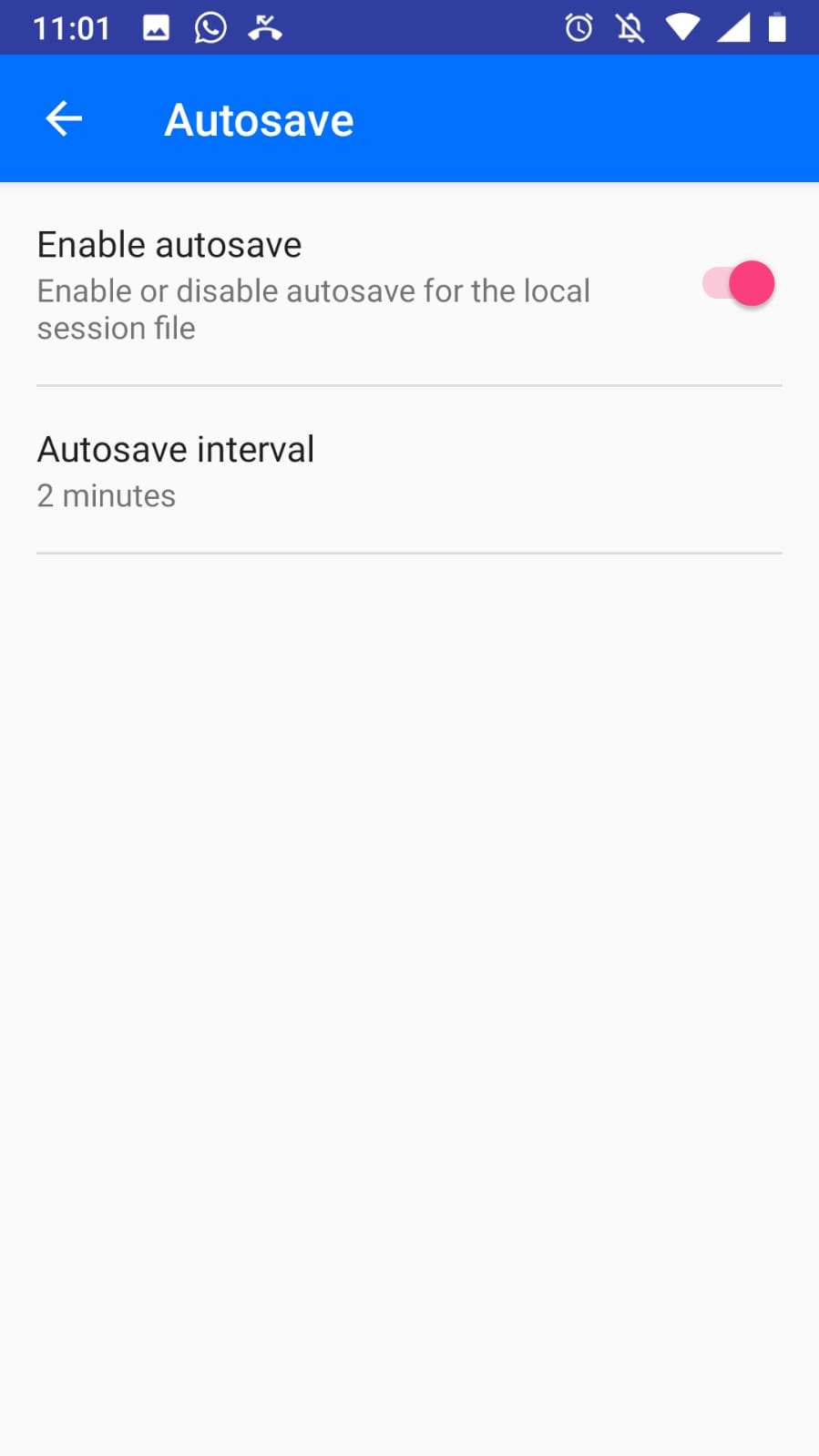
Step 3: Enable Autosave
- In the Autosave View, toggle the Enable Autosave switch to turn on the autosave feature for your local session file. This will automatically save your data at regular intervals.
Step 4: Configure Autosave Interval
- Below the enable switch, you will find the Autosave Interval option. Tap on it to adjust the time interval between autosaves.
- Set an interval that suits your needs, for example, 2 minutes. This means the timing session will be saved every two minutes, ensuring data integrity.
Benefits of Autosave
- Data Security: Enabling autosave helps protect your timing data by reducing the risk of data loss in case of unexpected interruptions.
- Peace of Mind: Autosave allows you to focus on the event without worrying about manually saving the session data.
By following these steps, you can easily configure the autosave intervals in the RUFUS Timing App, ensuring your session data is consistently backed up during the event.