The RUFUS Timing App allows you to add GPS location data to each passing, which can be especially useful for tracking the exact location of participants during a race. Follow these steps to activate GPS location for passings.
Step 1: Open the Settings View
- Launch the RUFUS Timing App and navigate to the Settings menu from the main screen.
Step 2: Select the Location Option
- In the Settings view, tap on the Location option to access the location settings.
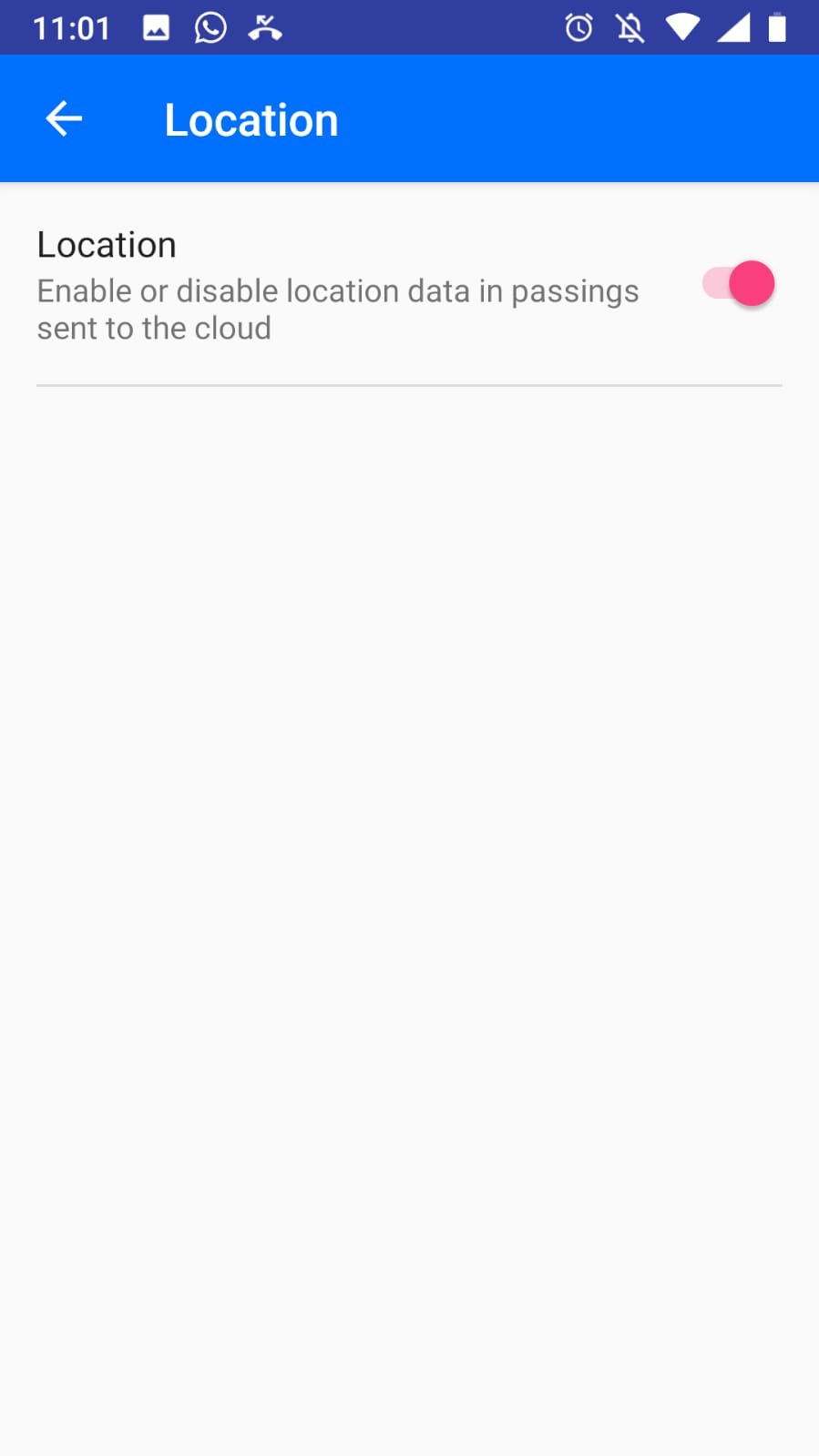
Step 3: Activate Location for Passings
- In the Location View, toggle the switch to activate location data for passings. When enabled, each passing that is sent to the cloud will include the GPS coordinates of where the passing was recorded.
- The position is acquired when entering an active timing session. If at that moment the system requests authorization, it's possible that the location may not be recorded the first time.
- If you don't see the confirmation message with the current latitude and longitude, exit the session and enter again to activate the localization.
Enabling this feature ensures that location data is automatically appended to each passing, providing a comprehensive overview of not only the time but also the specific location where participants crossed.
By following these steps, you can easily activate GPS location tracking for your passings, enhancing the level of detail and insight available for race organizers and participants.